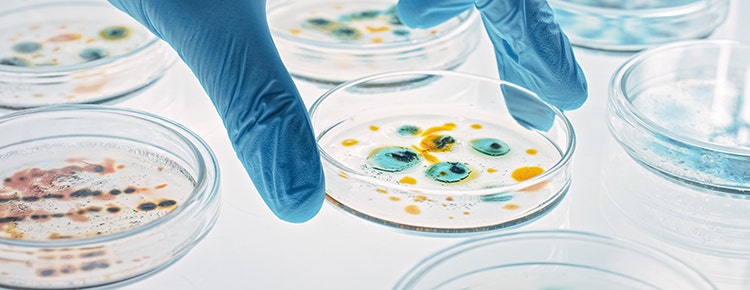
Why?
I chose to study and experiment on bacteria to understand the fundamental concepts of CRISPR, which stands for Clustered Regularly Interspaced Short Palindromic Repeats. These are DNA sequences that bacteria use as an immune system. When a virus infects a bacterium, the bacterium captures a piece of the virus’s DNA and stores it in its CRISPR sequences, creating a genetic memory. If the virus reappears, the bacterium uses that stored DNA to create a guide RNA, which directs the Cas9 protein to the matching viral DNA. Cas9 then cuts and disables the virus, preventing infection. This natural defense system has been adapted by scientists for CRISPR-Cas9 gene editing, allowing precise modifications to DNA sequences in various organisms. Since I used to be facinated about virus from the side of pathology and virology( on a variety of subjets going from the Ebola outbreak to how bacteriophages multiply), learning about a tool that can be used to change DNA struck my attention.
Okay, but what does this all really mean? Lets try to break it down into simple terms, starting with DNA:
Imagine you have a big book, and this book is like a recipe for making you—your hair, your eyes, everything. This book is called your DNA. Now, sometimes, there might be a tiny mistake in the book, like a letter in a word that’s wrong.
CRISPR is like special scissors that scientists use to go inside the book (DNA) and fix that mistake. They can cut out the wrong part and put in the right one, making everything work better. So, CRISPR is a tool to help fix problems in the recipe of life.
Experiments:
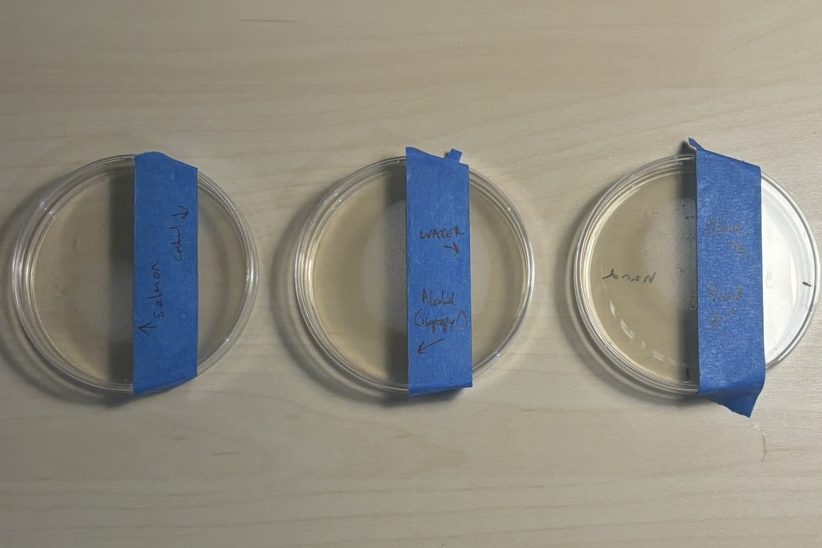
This lab focuses on preparing LB agar plates, a fundamental medium for bacterial growth in a sterile environment. These plates are crucial for experiments involving CRISPR gene-editing, providing the necessary platform to culture bacteria without contamination. By mastering sterile techniques and agar preparation, one will acquire the skills needed to work with bacteria and explore how CRISPR technology can be applied for precise genetic modifications.

This lab focuses on the essential techniques of culturing and streaking bacteria on LB agar plates, both of which are critical steps in preparing for CRISPR gene-editing experiments. By culturing bacteria from various sources and isolating colonies through streaking, this experiment ensures that clean, uncontaminated bacterial samples are available for DNA manipulation. These foundational skills help create a controlled environment for precise genetic modification, paving the way for successful CRISPR applications.
 Jean-Pierre Mouloudj